
Ecommerce Fulfillment for Small Brands: How to Choose a 3PL
Feb 16, 2026 | Dustin Brearton
Ecommerce Fulfillment for Small Brands: How to Choose a 3PL (Plus a Jacksonville, FL Option)
If you are a founder-led ecommerce brand doing 1,000 orders per month or less, fulfillment is supposed to make your life easier. The wrong 3PL can do the opposite.
This guide breaks down how to choose the best 3PL for small brands, what questions to ask, what good looks like, and why a Jacksonville, Florida fulfillment center can be a smart fit for brands shipping across the Southeast and the rest of the U.S.
If you want a quick overview of what we do, visit On-Demand Warehousing and Fulfillment.
On-Demand Warehousing and Fulfillment in 30 seconds
If you are evaluating 3PLs and want the quick version, here is what we do.
- Who we are for: Founder-led ecommerce brands doing 0 to 1,000 orders/month that want clear pricing, fast communication, and consistent shipping.
- What we do: Ecommerce fulfillment (receiving, storage, pick/pack, shipping) and returns processing options.
- Where we operate: Jacksonville, Florida, with strong coverage across the Southeast and national shipping.
- What we do not handle: Hazardous materials (hazmat) and food-grade handling.
What a 3PL does for ecommerce (simple definition)
A 3PL (third-party logistics provider) stores your inventory and handles the day-to-day work of shipping orders. If you are comparing options, it can help to see how platforms define fulfillment too. Shopify has a good overview here: Shopify fulfillment.
Most ecommerce fulfillment 3PLs provide:
- Receiving: unloading inbound shipments and checking counts
- Warehousing: storing inventory in bins, shelves, or pallets
- Pick and pack: pulling items for each order and packing them
- Shipping: buying labels, handing off to carriers, and tracking
- Returns processing (optional): inspecting, restocking, and reporting
- Inventory reporting: what you have, where it is, and what is moving
If you are searching terms like ecommerce fulfillment for small brands, 3PL for Shopify, or fulfillment center near me, you are usually looking for a partner that can ship accurately, communicate clearly, and scale with you without locking you into a contract you do not need.
Who this guide is for (and who it is not for)
This is for:
- Founder-led brands doing 0 to 1,000 orders/month
- Brands that want clear pricing and straightforward processes
- Brands that value accuracy, speed, and visibility
This is not for:
- Hazardous materials (hazmat)
- Brands needing food-grade handling or specialized certifications
If you are in those categories, you should choose a specialized provider. If you are unsure what counts as hazmat, the U.S. DOT has a plain-language overview here: Hazardous materials (PHMSA).
The best 3PL for small brands: 9 things to look for
1) Transparent pricing (with examples)
Small brands get burned when pricing is vague.
Ask for a rate card that clearly lists:
- Receiving fees (per carton, per pallet, or per hour)
- Storage (per bin, per shelf, or per pallet)
- Pick/pack (per order, per item, and packaging)
- Shipping label costs (carrier rates plus any markup)
- Returns processing (per return, per item, and restock rules)
A good 3PL will explain what makes your costs go up or down.
2) The right tech stack for Shopify and small brand workflows
For ecommerce fulfillment, your 3PL should support:
- Shopify integration (and other marketplaces if needed)
- Real-time (or near real-time) inventory updates
- Easy order import and shipment confirmation
- A customer portal or reporting you can actually use
If you are evaluating 3PL for Shopify, ask what their onboarding looks like and how they handle:
- Bundles and kits
- Multi-SKU orders
- Backorders and partial shipments
- Address validation and order holds (tip: you can sanity-check addresses with the USPS ZIP Code Lookup)
3) Order accuracy systems (not just promises)
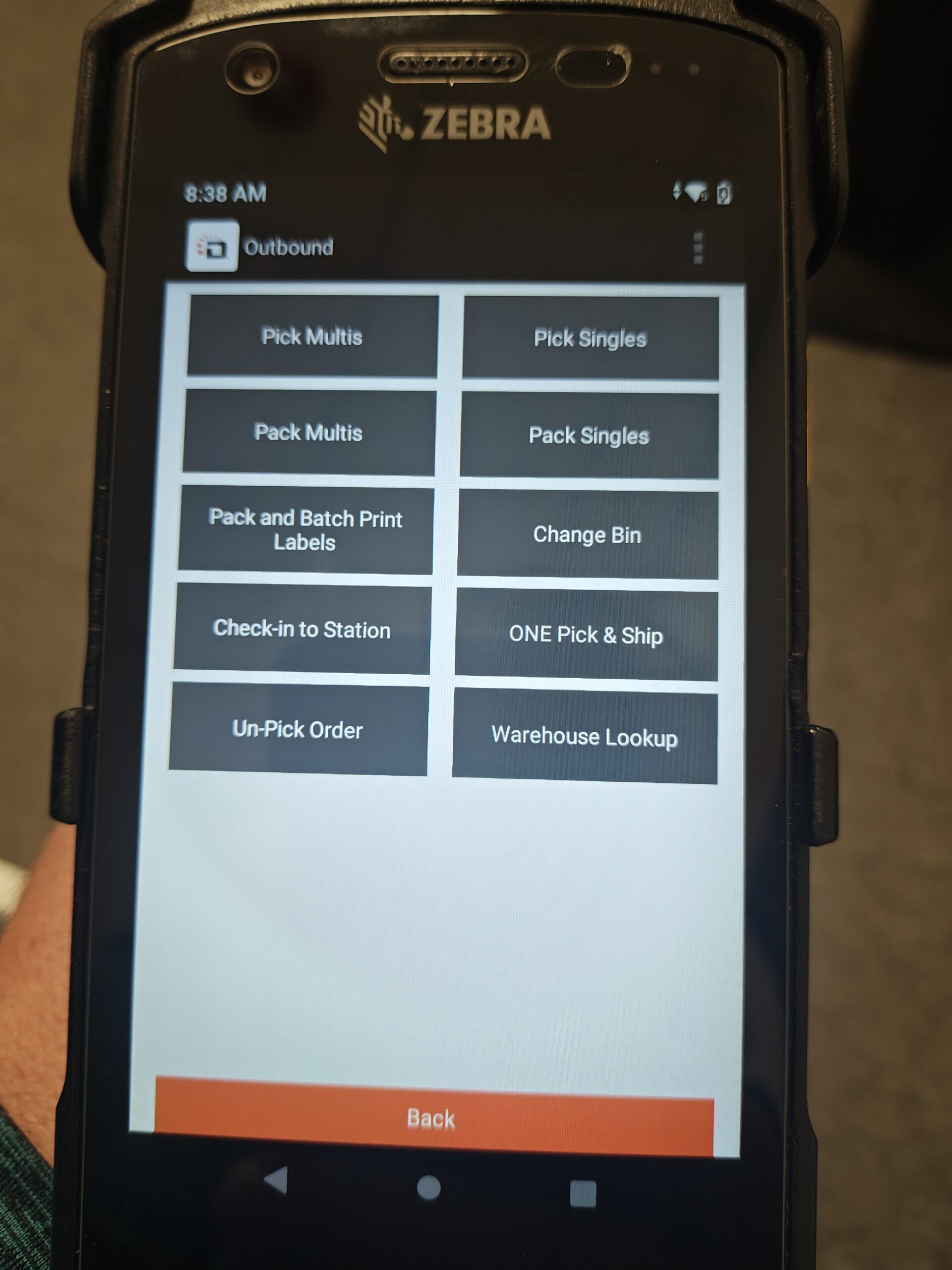
Accuracy is not a slogan. It is a system.
Ask what they do to prevent:
- Wrong item
- Wrong quantity
- Wrong address
- Damaged shipments
Look for processes like:
- Barcode scanning
- Standard pick paths
- Quality checks
- Clear exception handling
4) Speed and cutoff times you can plan around
Ask:
- What is the daily shipping cutoff?
- Do orders placed by noon ship same day?
- How do you handle peak days and promos?
A small brand does not need a massive operation. You need a consistent one.
5) Communication and support (who answers you?)
When something goes wrong, you want a human who knows your account.
Ask:
- Who is my day-to-day contact?
- What is your response time standard?
- How do you handle urgent issues like mispicks or carrier delays?
6) Flexible terms for early-stage growth
Many small brands do not want long contracts or minimums.
Ask:
- Are there minimum monthly fees?
- Are there long-term commitments?
- What happens if I outgrow you?
7) Receiving discipline and inventory integrity
Most fulfillment problems start at receiving.
Ask:
- How do you verify inbound counts?
- Do you photograph damage?
- How do you handle discrepancies?
- How quickly is inventory available to sell after delivery?
8) Returns processing that protects your brand
Returns are part of ecommerce.
Ask:
- Do you offer returns processing?
- Do you inspect items and report reasons?
- Can you restock sellable items?
- Can you quarantine damaged goods?
If returns are a pain point, you can also review options here: Returns handling services.
9) A warehouse location that matches your customer base
Location impacts shipping speed and cost.
If your customers are concentrated in the Southeast or you want strong coverage to the East Coast, a Jacksonville, FL fulfillment center can be a practical option.
Why consider a Jacksonville, FL fulfillment center (even if you sell nationally)
Jacksonville is a strong logistics hub for brands that want:
- Efficient shipping lanes across the Southeast
- Solid reach to the East Coast and central U.S.
- Flexibility without paying for an oversized, enterprise-only network
If you also import inventory, you may want a partner that can support inbound container workflows. Learn more here: Container devanning services.
A simple checklist to use on your 3PL calls
Use this list and you will quickly see who is built for small brands.
- Do you support Shopify (and my marketplaces)?
- Do you provide a clear rate card with examples?
- What is your cutoff time for same-day shipping?
- How do you prevent mispicks and wrong shipments?
- How do you handle receiving discrepancies?
- What does onboarding look like and how long does it take?
- Who is my point of contact?
- Do you handle returns processing?
- Do you avoid hazmat and specialized food-grade requirements (if that matters to my brand)?
Common mistakes small brands make when choosing a 3PL
- Choosing the cheapest quote without understanding what is excluded
- Not asking about receiving and inventory accuracy
- Not testing support responsiveness before signing
- Not clarifying packaging rules, inserts, and branded unboxing requirements
- Not planning for peak weeks and promo spikes
Next step: get a fulfillment fit check
If you are doing 1,000 orders/month or less and want a fulfillment partner that focuses on accuracy, speed, and clear communication, the next step is simple:
- Share your order volume, SKU count, and where your customers are located
- Confirm you are not shipping hazmat and you do not need food-grade handling
- Request a walkthrough of pricing and onboarding
Start here: On-Demand Warehousing and Fulfillment.
FAQ: ecommerce fulfillment for small brands
What is the best 3PL for a small brand?
The best 3PL for a small brand is usually the one that offers transparent pricing, reliable order accuracy systems, and responsive support, without forcing you into long contracts or minimums that do not match your current volume.
How much does ecommerce fulfillment cost for small brands?
Costs vary based on receiving method, storage type, pick/pack complexity, packaging needs, and shipping zones. Ask for a rate card with examples based on your actual order profile.
Is a Jacksonville, FL fulfillment center good for national shipping?
It can be. Jacksonville is well-positioned for the Southeast and can still serve national customers effectively, especially for brands that value operational consistency and clear communication over a massive enterprise network.
What is a good order volume for outsourcing fulfillment?
Many brands outsource when fulfillment starts consuming too much founder time, when order volume becomes inconsistent, or when accuracy and shipping speed become hard to maintain in-house. For many teams, that happens well before 1,000 orders/month.
How long does it take to switch 3PLs?
A typical switch can take days to a few weeks depending on inbound inventory timing, SKU setup, integrations, and how clean your product data is. Ask your 3PL for a step-by-step onboarding plan and timeline.
Do I need a long-term contract with a 3PL?
Not always. Many small brands prefer flexible terms early on. If a 3PL requires a long contract, ask what you receive in exchange, such as dedicated space, custom packaging workflows, or special pricing.
What should I ask on a warehouse tour?
Ask to see receiving, storage, pick/pack stations, and how exceptions are handled. Then ask who will manage your account day-to-day and how they prevent mispicks.