
On-Demand Warehousing Explained: Flexible Storage for Growing Brands
Aug 07, 2026 | Dustin Brearton
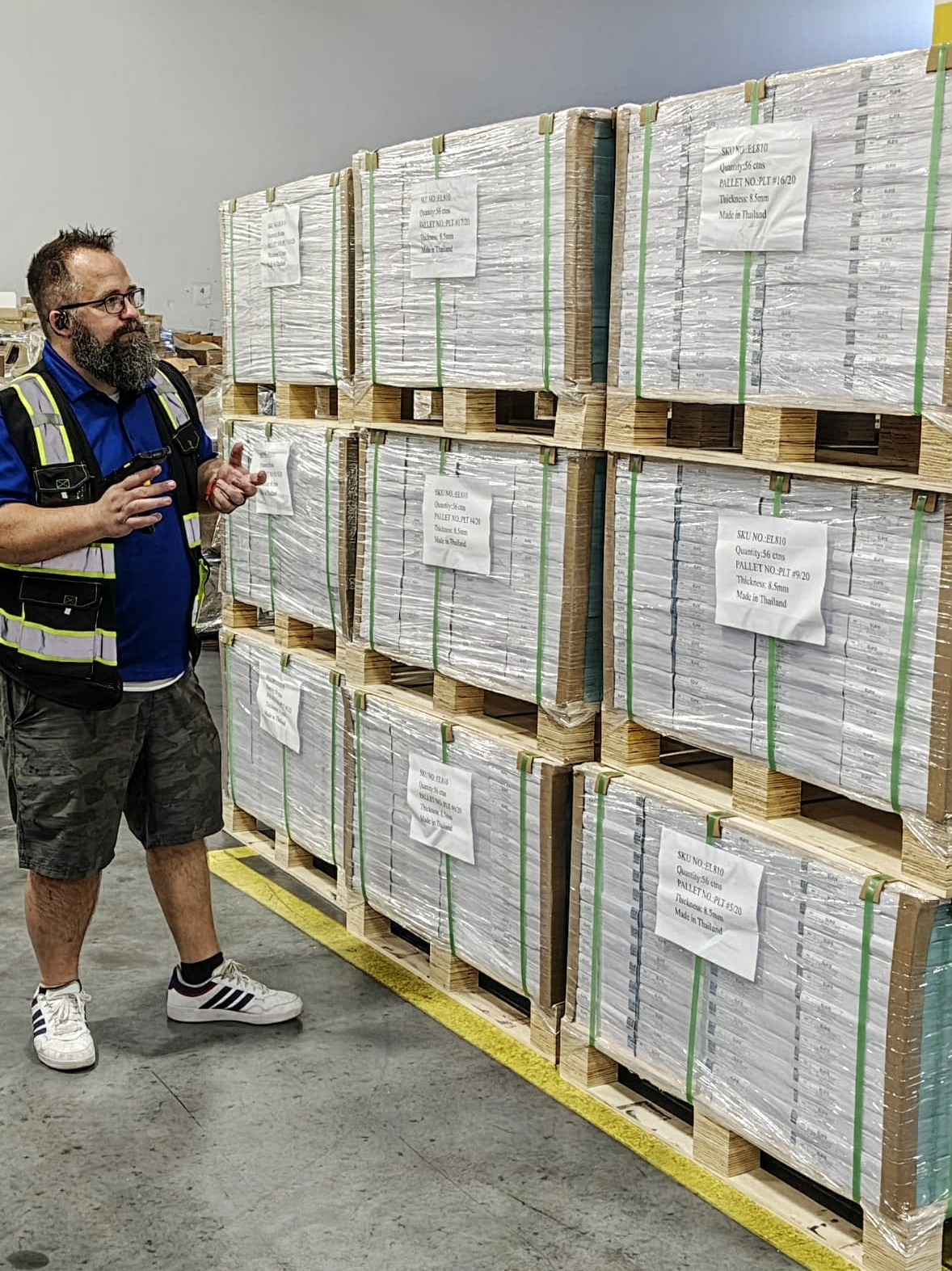
On-Demand Warehousing Explained
The modern alternative to long-term warehouse leases. Scale your storage up or down as your business needs change.
Get Started TodayIf you’re running a DTC brand or small e-commerce business, you’ve probably faced this problem: Your sales spike during a promotion or holiday season, and suddenly you need more warehouse space. But signing a 5-year lease for a traditional warehouse is overkill — and locking in that cost is risky.
That’s where on-demand warehousing comes in. It’s a flexible, pay-as-you-go model that lets you scale storage up or down without long-term contracts or capital commitments.
This guide explains what on-demand warehousing is, how it works, when to use it, and why it’s become the go-to solution for growing brands.
What is On-Demand Warehousing?
On-demand warehousing is a flexible storage solution where you pay only for the space and services you use, when you need them. There are no long-term leases, no minimums, and no surprise fees.
Unlike traditional warehouse leases (typically 5-10 years), on-demand warehousing operates on a month-to-month basis. You can:
- Increase storage space during peak season (holiday, promotions, new product launches)
- Decrease storage when demand drops
- Pay only for what you use (per pallet, per cubic foot, or flat monthly rate)
- Add/remove services (fulfillment, returns processing, kitting) on demand
- Cancel anytime with 30 days notice (typically)
On-Demand vs. Traditional Warehouse Lease
Traditional Warehouse
Long-term lease (5-10 years), fixed cost, locked into space you may not need, high upfront commitment, capital expenditure
On-Demand Warehousing
Month-to-month, variable cost, scale up/down as needed, zero long-term commitment, operational expense (OPEX)
How On-Demand Warehousing Works
The process is straightforward:
Step 1: Sign Up (No Long-Term Commitment)
You sign an agreement with no minimum lease term. Most on-demand warehouses require just month-to-month commitment or even daily rates.
Step 2: Ship Inventory
Send your products to the warehouse. They unload, inspect, and log everything into the system. You get real-time visibility into what you have in stock.
Step 3: Pay for Storage
You’re charged based on the space you use (per pallet, per cubic foot, or per unit). Most on-demand warehouses charge monthly, so you only pay for what you actually store.
Step 4: Add Services as Needed
Need fulfillment, returns processing, or kitting? Add services when you need them. Don’t need them? Don’t pay for them. It’s that simple.
Step 5: Scale Up or Down
During peak season, tell your warehouse you need more space. When demand drops, reduce your footprint. No penalties, no early termination fees.
On-Demand Warehousing Costs
Unlike traditional leases with unpredictable costs, on-demand warehousing is transparent and predictable.
Typical Pricing Structure
Storage fees: $15-50/pallet/month (depending on location and warehouse)
Receiving/unloading: $0-100 per shipment (often included)
Order fulfillment: $3-8 per order (pick, pack, ship)
Returns processing: $2-5 per return (inspection, restocking)
Minimum commitment: None (month-to-month, usually $0 minimum)
Example calculation: If you store 50 pallets at $30/pallet/month, that’s $1,500/month. No minimum, no contract. Next month if you only need 30 pallets, you pay $900.
The Financial Case: When On-Demand Wins
Traditional lease: $3,000/month for 100 pallet positions (even if you only use 30 right now). That’s $36,000/year whether you use it or not.
On-demand warehouse: 30 pallets = $900/month. 60 pallets in peak season = $1,800/month. You pay for exactly what you use.
Annual cost comparison:
- Traditional lease (fixed 100 positions): $36,000/year
- On-demand (average 40 pallets): $14,400/year
- Savings: $21,600/year
Plus: No 5-year commitment, no landlord risk, no capital outlay.
When to Use On-Demand Warehousing
On-demand warehousing makes sense if you:
- Have seasonal demand: Your business spikes during holidays or specific seasons, then drops off
- Are growing fast: You’re adding inventory quickly and need flexibility to scale
- Test new product lines: You want to hold inventory without long-term commitment while you validate demand
- Don’t want capital lock-up: You’d rather keep cash in your business than pay a big upfront lease deposit
- Ship to multiple regions: You want strategically located warehouses without managing multiple leases
- Have unpredictable order volume: Your order volume fluctuates month-to-month, making a fixed lease risky
On-demand warehousing is not ideal if you have stable, predictable demand year-round and want the absolute lowest per-unit cost (traditional bulk warehouses might beat on-demand pricing if your volume is very high and very consistent).
The Real Benefits Beyond Flexibility
1. De-Risk Your Growth
You don’t have to guess how much space you’ll need. If your product launches bigger than expected, you scale up. If it underperforms, you scale down. No long-term financial liability.
2. Improve Cash Flow
No large upfront deposit or security payment to a landlord. You pay monthly for what you use. That capital stays in your business for marketing, product development, or reinvestment.
3. Reduce Operational Complexity
Traditional warehousing means managing landlord relationships, lease negotiations, and facility maintenance. On-demand means one contract with flexible terms and predictable service.
4. Access to Professional Services
Most on-demand warehouses include fulfillment, returns processing, and real-time inventory tracking. You get enterprise-grade infrastructure without enterprise-grade costs.
5. Strategic Location Without Commitment
Need inventory near a major market or shipping hub? On-demand warehouses are often strategically located (like near JAXPORT in Jacksonville). Use that location advantage, then move if your strategy changes.
Scale Your Inventory Without Long-Term Contracts
On-Demand Warehousing and Fulfillment provides month-to-month storage near JAXPORT in Jacksonville, with transparent pricing and zero long-term commitment.
- ✓ Month-to-month flexibility (no contracts)
- ✓ Pay only for what you use
- ✓ Transparent, line-item pricing
- ✓ Fulfillment, returns, kitting included
- ✓ Real-time inventory visibility
- ✓ Strategic JAXPORT location (lower freight costs)
We help founders scale their inventory without the risk of long-term warehouse commitments.
Get a Free QuoteFAQ: On-Demand Warehousing
Q: What if I need more space mid-month?
Most on-demand warehouses can accommodate additional inventory within 1-2 business days. You’re charged based on the space you actually use, so if you add 10 pallets mid-month, you’ll be billed for those 10 additional pallets going forward.
Q: How quickly can I reduce space if my inventory doesn’t sell?
Most contracts allow you to reduce space with just 30 days notice (some even allow immediate reduction). You stop paying for space you no longer use. No long-term penalties or fees.
Q: Is on-demand warehousing more expensive per unit than traditional leasing?
Not always. When you factor in the cost of a traditional lease deposit, the fixed cost whether you use it or not, and the capital lock-up, on-demand is often cheaper. Plus you avoid the risk of being stuck in a lease if your business changes direction.
Q: Can I move my inventory to a different warehouse if needed?
Yes. Most on-demand warehouses allow you to request shipment of your inventory to another location (you pay drayage costs). Because there’s no long-term commitment, switching providers is painless.
Q: What if my volume increases dramatically?
On-demand warehousing scales with you. Add more pallets instantly. Add fulfillment services on the fly. You’re never constrained by your current facility size or lease terms.
Q: How do I know what size on-demand space I need?
Most on-demand warehouses work with you to estimate based on your current inventory and growth forecast. There’s no guessing — you start with what you need and adjust monthly. No penalties for over/underestimating.
Stop Paying for Space You Don’t Use
On-demand warehousing gives you flexibility and transparency. Scale up when you grow. Scale down when demand drops. No contracts. No surprises.
Get a Free Quote